
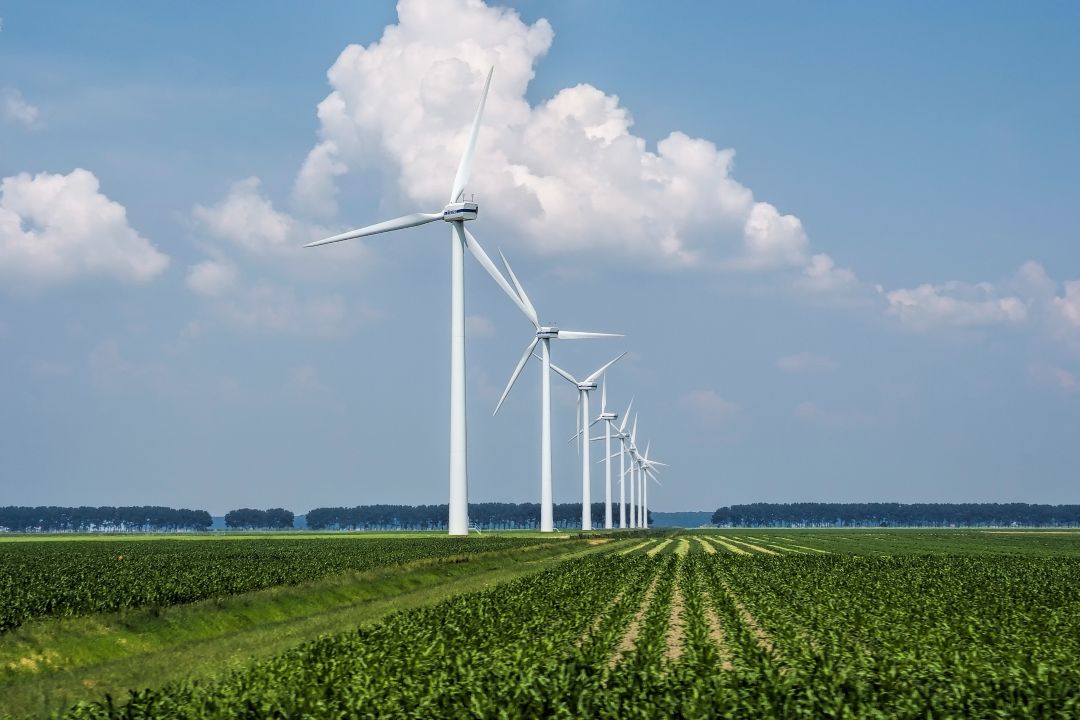
Commercial wind energy succeeds when projects are planned well, built correctly, and supported for the long term. In Ireland, this matters even more due to planning rules, grid limits, and changing energy demand. Turbines Ireland supports commercial wind energy by guiding projects through every stage, from early assessment to long-term operation.
This support helps businesses, landowners, and developers invest with confidence. Each project focuses on realistic output, site suitability, and future growth. Clear planning reduces delays, while reliable turbines improve performance over time.
With Ireland aiming for over 80% renewable electricity by 2030, according to SEAI, commercial wind plays a key role. Strong support ensures these projects deliver clean power, stable returns, and long-term value.
Building Commercial Wind Projects on Strong Foundations
Every successful wind project starts with a clear and realistic plan. Commercial sites vary widely, from farms and factories to shared grid projects. Each needs a tailored approach.
Early discussions focus on energy goals, site size, and grid access. This helps set clear expectations from the start. It also avoids designs that fail during planning or grid review.
Ireland’s wind resource is strong, but not uniform. Coastal, upland, and inland sites behave differently. Understanding these differences helps shape turbine size and layout.
By setting solid foundations early, projects stay on track. This reduces redesign costs and planning delays. It also builds trust between all parties involved.
Turbines Ireland and Commercial Wind Solutions
Commercial wind projects require experience and flexibility. Turbines Ireland supports this need by offering solutions designed for real business use.
Projects often use turbines between 100 kW and 2 MW. These sizes suit factories, large farms, and shared energy users. Each system is chosen based on output needs, not assumptions.
Both new and refurbished turbines are considered. Refurbished units, when sourced correctly, reduce upfront cost. Many meet strict European performance standards.
Planning also considers future growth. Space, grid capacity, and access are reviewed early. This allows turbines to be added later with less disruption.
This flexible approach aligns with guidance from Wind Energy Ireland on efficient commercial deployment.
Site Assessment Tailored to Irish Land and Wind
A good site assessment protects long-term performance. Poor assessment often leads to noise issues, low output, or planning refusal.
Initial checks review wind data, terrain, and access routes. These factors guide turbine height and spacing. Accurate data supports better output predictions.
Environmental and community factors also matter. Distance to homes, roads, and habitats is reviewed early. This reduces objections during planning.
Ireland’s planning system values clear evidence. Strong site data helps meet local authority requirements. It also improves project credibility.
By tailoring assessments to Irish conditions, projects gain stronger approval chances and better long-term results.
Planning Permission and Grid Connection Support
Planning and grid access are two major challenges for commercial wind energy. Expert support helps projects move forward smoothly.
Planning applications must meet county development plans. This includes noise limits, visual impact, and setback distances. Clear reports help councils assess proposals faster.
Grid connection requires coordination with ESB Networks and EirGrid. Load studies and export limits must match site design. Early engagement reduces rejection risk.
Support through these stages saves time and cost. It also reduces stress for landowners and developers.
This structured process follows best practice outlined by SEAI and national grid authorities.
Reliable Installation and Project Delivery
Even strong designs fail without proper installation. Commercial wind projects require careful coordination.
Transport planning ensures turbine parts arrive safely. Crane access and foundation work follow strict safety rules. This protects workers and land.
Construction timelines are planned to reduce disruption. Farms and businesses can continue operating during key stages.
Electrical works and commissioning confirm systems meet expected output. Testing ensures turbines perform before handover.
Well-managed delivery protects investment value. It also sets the stage for reliable long-term operation.
Long-Term Operation and Performance Support
Wind energy is a long-term asset, often running for decades. Ongoing support keeps systems working efficiently.
Routine maintenance checks blades, gearboxes, and controls. Early fault detection reduces repair costs and downtime.
Performance monitoring tracks energy output. This helps identify issues before they grow. It also supports accurate revenue planning.
As energy needs change, systems can adapt. Turbine upgrades or expansion are planned using real performance data.
Long-term support ensures steady output and dependable income.
Economic and Environmental Benefits for Businesses
Commercial wind energy delivers both financial and environmental gains. These benefits support Ireland’s climate goals.
Wind turbines reduce reliance on grid electricity. This lowers exposure to rising energy costs. Many businesses gain stable, predictable power pricing.
For landowners, wind projects provide steady income. Farming and other land use can continue alongside turbines.
Environmentally, wind power cuts carbon emissions. SEAI reports show wind energy is one of Ireland’s lowest-cost clean energy sources.
These combined benefits make commercial wind a strong long-term choice.
Frequently Asked Questions
Q1: How does commercial wind energy benefit Irish businesses?
Commercial wind reduces energy costs and improves price stability. Businesses generate clean power on-site or export to the grid. Over time, this lowers reliance on fossil fuels and supports sustainability goals.
Q2: Are refurbished turbines suitable for commercial projects?
Yes, when sourced and tested correctly. Many refurbished turbines meet strict European standards. They offer lower upfront cost while delivering reliable performance for suitable sites.
Q3: How long does a commercial wind project take?
Most projects take 12 to 24 months. This includes assessment, planning, grid approval, and installation. Early preparation helps reduce delays.
Q4: What turbine sizes suit commercial wind projects?
Commercial projects often use turbines from 100 kW to 2 MW. Size depends on site wind speed, land area, and energy demand.
Q5: Can commercial wind projects expand later?
Yes. With proper planning, additional turbines or upgrades can be added. Early layout and grid planning make expansion easier and cheaper.
Conclusion
To conclude, investing in wind energy is a long-term decision that depends on accurate planning, reliable installation, and consistent performance over time. In Ireland’s renewable energy landscape, projects deliver stronger results when supported by experienced providers who understand site conditions, compliance requirements, and scalable turbine deployment.
Turbines Ireland reflects this approach by focusing on practical assessments and professionally managed wind solutions that align with national sustainability goals. This experience-led model often helps projects achieve better efficiency, long-term value, and dependable clean energy output.







Leave a Reply