

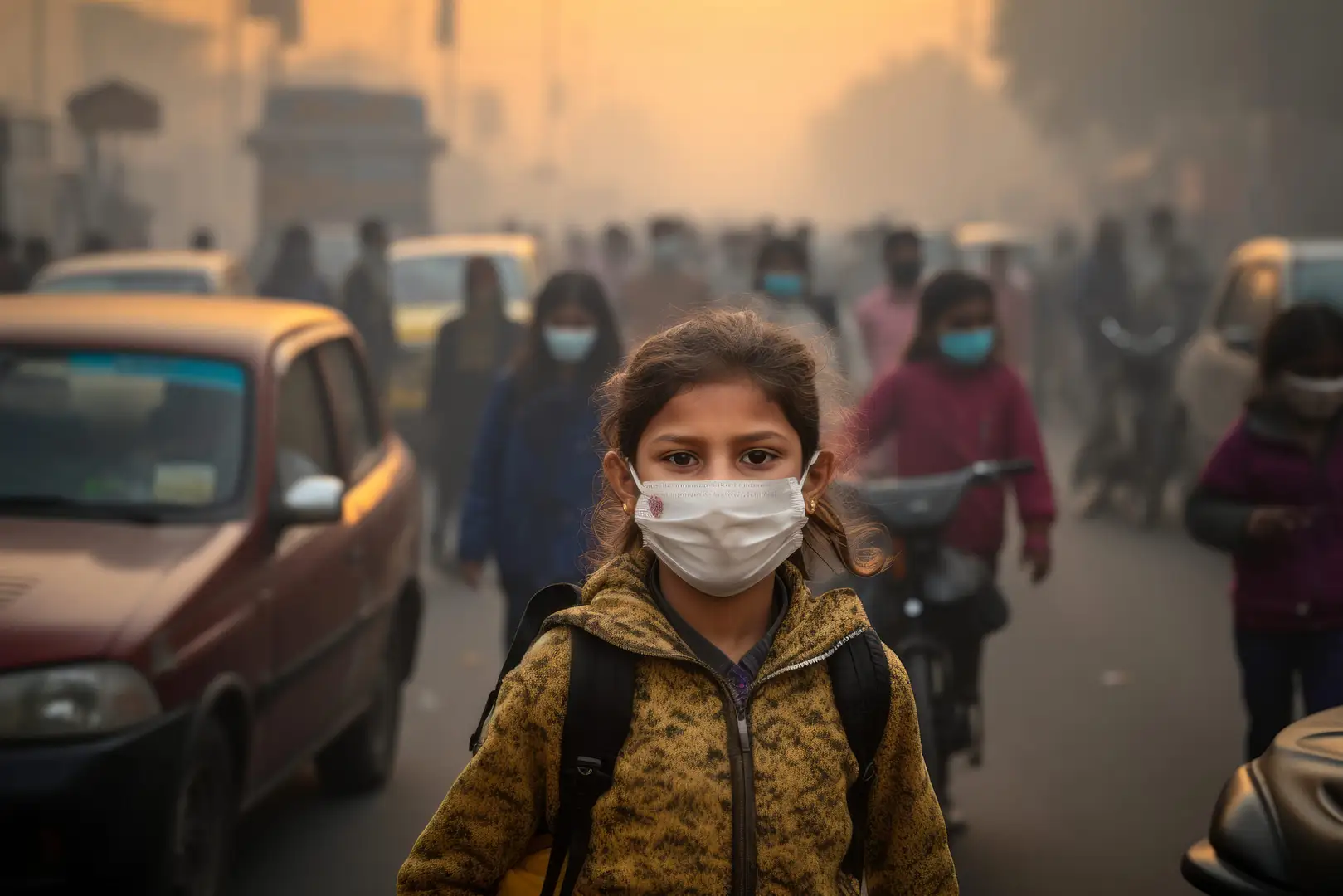
Delhi’s recent air quality reports show PM2.5 levels above 100 µg/m³, which is more than twice the National Ambient Air Quality Standards (NAAQS) annual limit of 40 µg/m³. These high levels often lead to symptoms such as cough, throat irritation, or breathing discomfort, especially when pollution is high. Early attention and expert guidance can help protect lung health.
With the persistent air quality concerns, many residents may need specialist support. Consulting the best pulmonologist in Delhi ensures that early signs of respiratory stress are assessed with care. Specialist guidance helps address symptoms at the right time and reduces the chances of long-term complications.
How Pollution Affects Lung Health?
Pollution in Delhi includes fine particulate matter (PM2.5 and PM10), Nitrogen Dioxide, and other airborne particles. These can reach deep into the lungs and may lead to irritation, reduced lung capacity, or a higher chance of respiratory discomfort over time. Long-term exposure can also contribute to conditions such as asthma, bronchitis, or Chronic Obstructive Pulmonary Disease (COPD).
Children, older adults, and people with existing respiratory or heart conditions are more sensitive to poor air quality. Symptoms often begin gradually, like a lasting cough, breathlessness, wheezing, or frequent throat irritation. Consulting a pulmonologist at the right time helps identify these signs and supports long-term lung health.
Common Long-Term Health Effects of Pollution
Long-term exposure to Delhi’s polluted air can affect overall health in many ways. Respiratory concerns may develop gradually, such as reduced lung function, chronic bronchitis, and asthma. Persistent exposure also raises the risk of cardiovascular conditions and may contribute to allergies or lower immunity.
Understanding these risks highlights the value of a timely assessment by a specialist. Consulting a pulmonologist helps individuals monitor their lung health and take appropriate steps to reduce the chance of long-term complications.
Role of a Pulmonologist in Managing Pollution-Related Risks
Pulmonologists specialise in diagnosing and treating respiratory conditions. They review medical histories, perform lung function tests, and identify environmental factors that may influence breathing comfort.
For those living in the city, consulting the best pulmonologist in Delhi provides access to specialists who understand air quality challenges. At BLK-Max Super Speciality Hospital, pulmonology specialists guide patients with personalised care plans tailored to such air quality conditions.
Preventive Measures Under Professional Guidance
While consulting a specialist is important, people can also take steps to support their lung health. Pulmonologists often suggest a mix of lifestyle habits and environmental precautions. Some helpful measures include:
- Using air purifiers at home to reduce indoor pollutants
- Wearing masks on days when pollution levels are high
- Limiting outdoor activities during poor air quality
- Maintaining a balanced diet with antioxidant-rich foods
- Avoiding tobacco smoke and other irritants
These measures, combined with professional guidance, help reduce the impact of pollution and support long-term respiratory well-being.
Tips for Children and the Elderly
Children and older adults are more sensitive to poor air quality. A few simple steps can help support their respiratory health. Helpful measures include:
- Encouraging indoor play for children on days with high pollution
- Using well-fitted masks for children and older adults
- Watching for symptoms and seeking medical advice when needed
- Supporting light indoor exercise to maintain lung function
- Keeping indoor air clean with purifiers or regular ventilation
These steps, along with guidance from a respiratory specialist, help protect those who are more vulnerable to pollution.
Recognising Symptoms That Require Attention
It is helpful to identify breathing problems that may need medical attention. Early review supports timely care and overall well-being. Signs to watch for include:
- Persistent cough
- Breathlessness or difficulty breathing
- Chest discomfort
- Recurrent respiratory infections
- Wheezing or noisy breathing
If these symptoms continue, seeking a specialist’s assessment can help identify the cause and guide the right care.
Importance of Regular Health Check-Ups
Regular health check-ups play an important role in protecting long-term lung health. City residents experience higher exposure to pollution, which can affect breathing over time. Routine lung function tests and timely consultations with a specialist help identify early changes. This supports early care for people with asthma, heart conditions, or other ongoing health concerns.
Importance of Early Detection
Early detection is important in a city where high pollution levels place constant stress on the respiratory system. Specialists use lung function tests and imaging to monitor lung function, identify early changes, and guide appropriate care. People who seek timely medical support often manage their condition more effectively, reduce the risk of complications, and maintain better overall well-being.
Conclusion
The city’s air quality continues to influence respiratory health, which requires people to stay attentive to early changes. Consulting the best pulmonologist in Delhi helps ensure that breathing concerns are reviewed with care and that suitable guidance is provided at the right time. With timely assessments, supportive lifestyle measures, and regular monitoring, individuals can strengthen their lung health and maintain better well-being despite the city’s changing environmental conditions.







Leave a Reply