

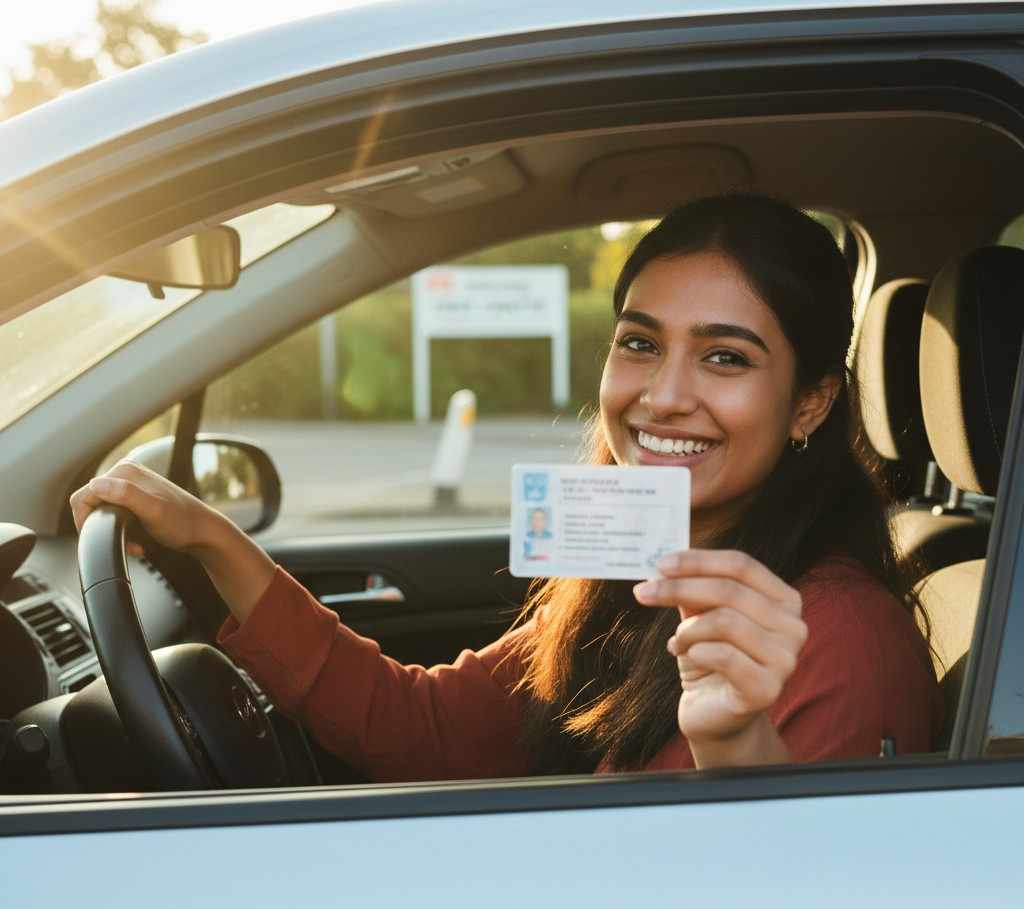
Last-minute driving test preparation can feel overwhelming, especially when time is limited and pressure is high. Learners often worry about forgetting key rules, making avoidable mistakes, or losing confidence just before test day. Traditional revision methods may not provide the structure or reassurance needed during this crucial stage. Digital tools now offer a focused and practical way to prepare efficiently without unnecessary stress. By prioritising essential skills, reinforcing awareness, and supporting calm decision-making, app-based preparation helps learners stay organised and confident. This blog explains how structured digital support can make last-minute preparation more effective and controlled.
Challenges of Last-Minute Driving Test Preparation
Preparing for a driving test at the last moment often increases pressure rather than confidence. Learners may feel uncertain about what to revise, leading to rushed or unfocused practice.
One common challenge is information overload. Trying to review too many topics at once can reduce concentration and weaken recall. Instead of reinforcing knowledge, it creates confusion and frustration.
Another difficulty is reduced confidence. Learners may begin to doubt their ability, particularly if they focus on mistakes rather than strengths. Anxiety can interfere with smooth driving and decision-making.
Without structure, last-minute preparation becomes inefficient. A clear plan and focused approach are essential to maintain control and ensure revision time is used effectively.
Focusing on Essential Test Skills
When time is limited, prioritisation becomes critical. Effective last-minute preparation focuses on core driving skills rather than attempting to revise everything.
Key areas to concentrate on include:
- Observation and mirror checks
Regular mirror checks help drivers stay aware of surrounding traffic at all times. Consistent observation supports safe decisions when changing speed or direction. - Speed control and road positioning
Maintaining an appropriate speed ensures better control and safety in different road conditions. Correct positioning helps drivers remain predictable and compliant with road rules. - Junction and roundabout awareness
Awareness at junctions and roundabouts supports accurate judgement of gaps and priorities. Clear observation reduces hesitation and prevents unsafe entries. - Hazard recognition and response
Identifying developing hazards early allows drivers to respond smoothly and safely. Timely reactions reduce risk and demonstrate controlled driving behaviour. - Understanding examiner expectations
Knowing what examiners assess helps drivers focus on safe, legal, and consistent driving. This understanding reduces uncertainty and supports confident performance.
Targeting these fundamentals helps reinforce safe and confident driving behaviour. Revisiting familiar skills builds reassurance and supports calm performance. A structured approach ensures learners strengthen what matters most. By focusing on essentials, preparation feels achievable and purposeful rather than overwhelming.

How App-Based Practice Supports Quick Revision
Digital tools are particularly effective during last-minute preparation because they offer a clear structure and immediate feedback.
An App for Driving Test presents content in manageable sections, allowing learners to revise efficiently without distraction. Instead of lengthy sessions, learners can complete short, focused practice that supports better retention.
Practice questions and simulated scenarios help reinforce understanding quickly. Instant explanations clarify mistakes immediately, preventing uncertainty from lingering.
Repeatable exercises allow learners to revisit weaker areas without pressure. This flexibility supports targeted improvement while maintaining confidence during the final preparation phase.
Reducing Anxiety and Improving Confidence
Anxiety often peaks in the days leading up to the driving test. Managing emotional readiness is just as important as technical preparation.
Structured app-based revision helps reduce anxiety by replacing uncertainty with familiarity. Knowing what to expect supports calmer thinking and steadier decision-making.
Confidence improves when learners can see progress clearly. Visual tracking reassures them that preparation is on track, even with limited time remaining.
Digital tools also support calm revision routines. Short sessions reduce mental fatigue and help learners stay focused without unnecessary stress. Confidence grows when preparation feels controlled and purposeful.
Making the Most of Limited Time Before Test Day
When preparation time is short, how learners use each session becomes more important than how long they revise. Focused planning helps avoid wasted effort and unnecessary stress.
Breaking revision into small, purposeful sessions supports better concentration and retention. Learners benefit from setting clear goals for each session, such as reviewing a specific rule or completing a short practice test.
Avoiding last-minute cramming is equally important. Trying to absorb too much information at once can increase anxiety and reduce confidence. Instead, reinforcing familiar material helps stabilise performance.
Using an App for a Driving Test supports efficient time use by guiding learners towards priority areas. This ensures revision remains controlled, relevant, and effective during the final days before the test.

Final Checks and Mental Readiness
The final stage of preparation should focus on calm review rather than intensive revision. Overloading the mind at this point can reduce performance.
Helpful final-stage strategies include:
- Reviewing key rules and observations
Revisiting essential road rules reinforces correct decision-making. Regular observation reminders help maintain awareness during the test. - Completing light practice sessions
Short practice sessions keep skills fresh without causing mental fatigue. This approach supports confidence while avoiding last-minute pressure. - Maintaining regular sleep patterns
Adequate rest improves concentration and reaction time. Consistent sleep supports calm thinking and steady performance on test day. - Using breathing techniques to stay calm
Controlled breathing helps manage nerves and reduce tension. Staying calm supports clearer judgement and smoother driving actions. - Focusing on safe, controlled driving
Prioritising safety over perfection encourages steady, confident driving. Controlled actions demonstrate good judgement and road awareness.
Mental readiness supports clarity and confidence on test day. Trusting preparation allows learners to remain focused and responsive during assessment. Maintaining a steady mindset ensures that skills developed through practice are demonstrated naturally and effectively.
Conclusion
Last-minute driving test preparation does not need to feel rushed or stressful. With the right structure and focus, learners can use their remaining time effectively and confidently. Digital tools support targeted revision, reinforce essential skills, and provide reassurance through clear progress tracking. By reducing uncertainty and supporting calm decision-making, app-based preparation helps learners approach test day with control and confidence. Efficient preparation is about quality rather than quantity. When learners trust their revision process, they are better positioned to perform smoothly and safely, supported by the App for Driving Test.







Leave a Reply