
Why Logistics Companies Across Malaysia Lean on ISO Consultants
Logistics in Malaysia moves fast—sometimes too fast, especially when you’re juggling port delays, warehouse bottlenecks, inconsistent supplier habits, and customer demands that grow louder every month. It’s no surprise many logistics companies eventually think, “We need someone who truly understands ISO, because honestly, no one here has the time to figure out the entire thing from scratch.” An ISO consultant becomes that calm voice in the middle of the storm, smoothing out the messy parts while keeping everything structured and achievable.
The Not-So-Glamorous Reality of Logistics That Makes ISO Feel Essential
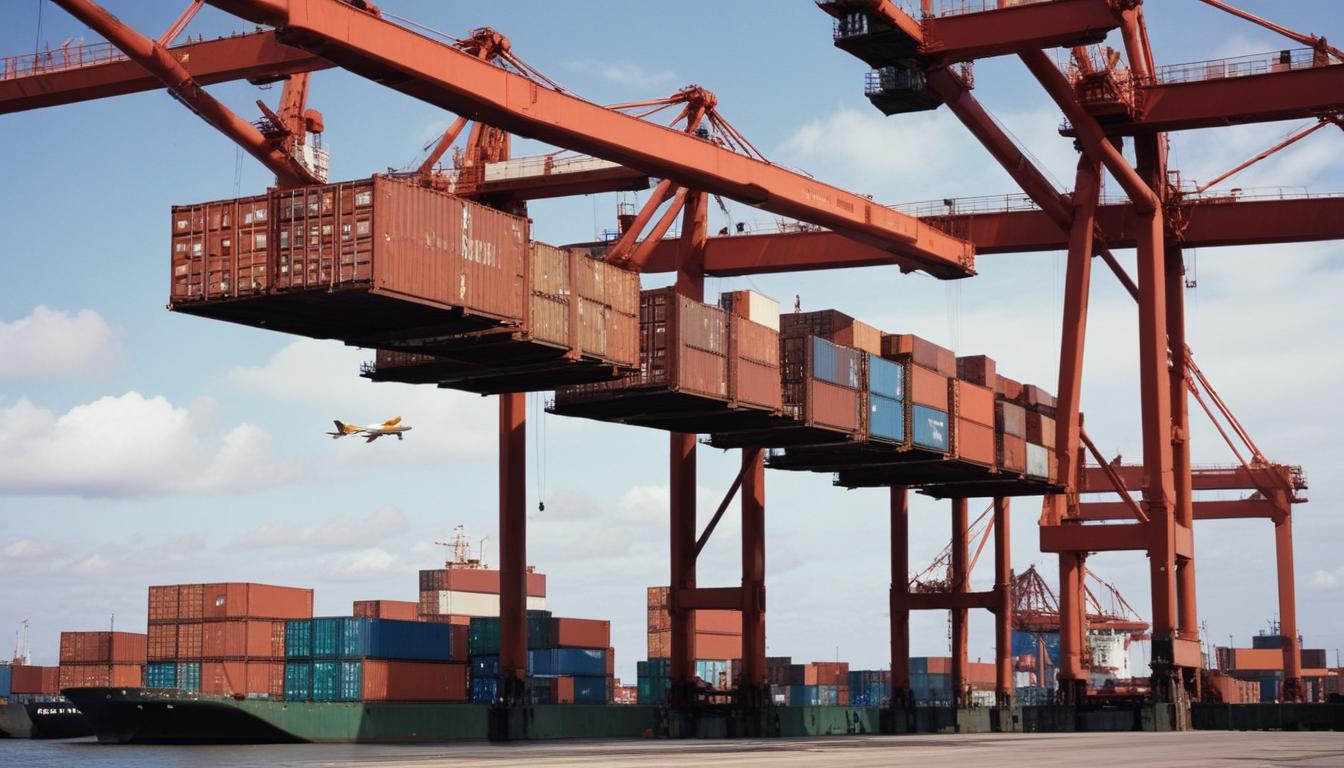
If you’ve ever watched a warehouse team navigate a sudden surge in incoming shipments, you know the anxiety. Forklifts rushing, scanners beeping, dispatch teams double-checking manifests, and everyone hoping the system doesn’t freeze at the worst moment. These everyday challenges—small but constant—push logistics players to look for standards that bring consistency and reliability. ISO isn’t magic, but it gives a sturdy backbone that keeps you steady when operations get chaotic. In Malaysia, where cross-border shipping and regulatory changes shift often, this stability matters even more.
So What Does an ISO Consultant Actually Do? (And Why Does It Feel Like They Do Everything?)
Let me explain what most logistics teams don’t talk about: implementing ISO isn’t complicated, but it’s incredibly time-consuming when you already have your hands full. A consultant steps in to simplify the mountain of requirements. They interpret standards, create documentation, train staff, and even guide the internal audit. Think of them like someone who’s driven the North-South Highway a hundred times—they know which exits matter, which shortcuts work, and where the roadblocks usually appear. They turn the unfamiliar into something predictable, and that alone saves you hours of frustration.
The ISO Standards Malaysian Logistics Companies Care About Most
Most logistics firms start with ISO 9001 because quality touches everything—from delivery accuracy to customer email responses. Then there’s ISO 14001 for companies dealing with environmental concerns, which is becoming more common with clients asking about greener operations. ISO 45001 supports worker safety, especially relevant for warehouses with heavy equipment. Some go further with ISO 28000 for supply chain security. Each standard shapes your operations differently, but together they guide logistics teams toward safer, cleaner, and more reliable daily routines.
How Consultants Help Even When Your Team Thinks “We’re Not Ready Yet”
You know what? Many logistics companies say this at first. The warehouse manager insists the team is too busy. The operations director worries the documentation will drown everyone. But an experienced ISO consultant knows how to start small—sometimes with just a brief assessment of your current processes. This gentle entry helps teams realise they’re already halfway there. The consultant builds from existing routines instead of forcing entirely new ones, which means even the busiest teams can adapt without disrupting daily shipments.
Cost, Timeline, and That ‘Hidden Effort’ Nobody Warns You About
People love talking about prices—RM8,000 here, RM20,000 there—but the real investment lies in the small pockets of time your team needs to set aside. A typical certification project for logistics takes about three to six months depending on company size. The consultant handles most of the heavy lifting, but your internal champions still need to attend meetings, revise workflows, and support audits. It’s not difficult, just steady. If you’ve handled peak season chaos before, you can handle ISO preparation without breaking a sweat.
Red Flags: How to Pick a Consultant Who Won’t Waste Your Time or Budget
Choosing an ISO consultant Malaysia isn’t that different from selecting a freight forwarder—you’re trusting someone with your reputation. Stay cautious with consultants who promise certification in one month or those who hand you hundreds of templates without tailoring them. A good consultant listens first, then builds solutions suited to your dispatch flows, warehouse layout, fleet size, or cross-border routes. If they ask thoughtful questions about your processes upfront, that’s usually a sign they know what they’re doing.
Real-Life Case Studies: How ISO Certification Changed a Logistics Company
Nothing resonates quite like a story you can picture. You could add a section highlighting one or two Malaysian logistics companies that went through ISO certification. Discuss the challenges they faced, how the consultant guided them, and the tangible benefits—like faster customs clearance, reduced shipment errors, or winning a major client. Real-life examples give readers a practical feel for what ISO actually does and make your article more relatable.
Why ISO Keeps Helping Logistics Companies Win Bigger, Better Contracts
Here’s the thing: customers look for reliability, especially when they’re shipping sensitive goods or need strict delivery timelines. ISO gives clients confidence that you follow structured procedures—not just verbal promises. Many multinational corporations even require ISO certification before considering a logistics partnership. That’s why companies across Klang Valley, Penang, and Johor keep pursuing certification. It becomes a badge that says, “We take this seriously.” And that perception alone opens doors to more stable, better-paying contracts.
The Future of ISO in Malaysian Logistics: More Digital, More Demanding, More Necessary
With digital freight platforms rising, automated warehouse systems spreading, and AI-based route optimization becoming common, logistics in Malaysia is moving toward a more data-heavy future. That means ISO standards matter even more, because you need consistent processes that match this technological shift. The next wave of clients—especially those in e-commerce—will expect tighter controls, cleaner reporting, and transparent operations. ISO consultants help bridge your current manual routines with these digital expectations in a practical, steady-paced way.
Final Thoughts: ISO Isn’t a Luxury for Logistics Firms Anymore—It’s a Quiet Strength
Logistics isn’t glamorous. It’s sweaty warehouses, midnight shipments, last-minute customs paperwork, and occasional frustration when something small creates a huge delay. But ISO brings a calm structure to all of this. A good consultant doesn’t complicate your world—they simplify it just enough that you can breathe easier while still delivering on your deadlines. If you’re thinking about getting certified, consider starting with a conversation. Sometimes the first step is simply understanding where you stand.






Leave a Reply