
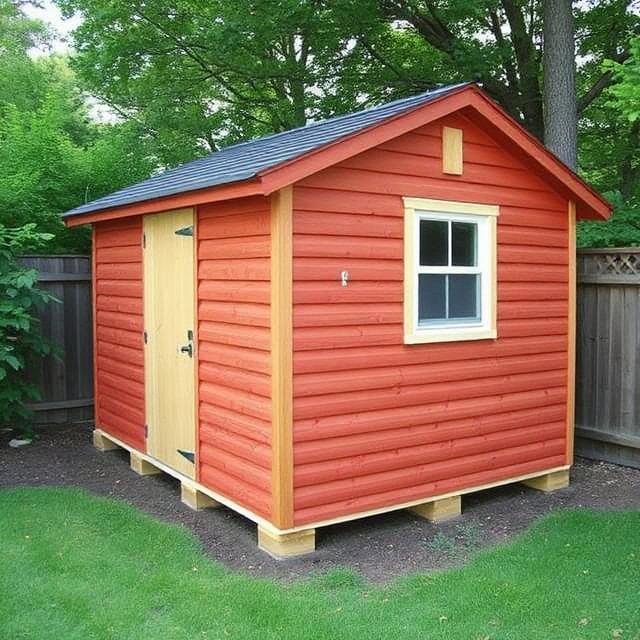
A shed is only as strong as its foundation. Many homeowners focus on the shed itself, but it’s the base that is so often overlooked. Weak shed bases can cause sticking doors, warping floors, and shifting of the structure itself. The benefits of choosing a solid shed base mean reduced maintenance and repairs. In 2026, UK gardens have to deal with wet winters, heavy rain, and the occasional strong winds. With this in mind, choosing the right shed bases has become much more pertinent than ever. Plastic shed bases have grown in prominence due to their ability to offer strength, stability, and real long-term reliability.
This guide takes into consideration expert advice and practical experience, explaining how shed bases reduce repair needs, whilst exploring why plastic shed bases are ideal for modern gardens. By grasping these points, property owners will be capable of making informed decisions that will protect their investments.
Why Shed Bases Matter For Long-Term Maintenance
It is the shed bases that support the entire weight of the structure. The pressure across the ground is evenly distributed. If the base is poor, it can settle unevenly, causing the doors to jam and the panels to be misaligned. Water collects underneath, causing rottenness and moldy traces. Over time, such spots invite frequent repairs. A strong shed base keeps the shed level and dry, thereby taking away such problems.
Plastic bases are particularly effective in this respect. They are designed to allow water to drain both through and around them, preventing pooling and reducing dampness. They also will not corrode or decay, unlike timber. Consequently, maintenance is minimal and repairs unlikely.
Common Problems Involving Weak Bases
A flimsy foundation is the root cause of many a garden shed problem. The floors can sag under heavy equipment. After a rainy season, the doors do not close properly anymore. Panels warp due to continuous moisture exposure. In extreme situations, sheds could tilt or shift with far-reaching effects in terms of structural damage. Each of these problems originates with weak shed bases. Choosing a durable base upfront in the process helps to save time and frustration, together with money.
Plastic shed bases also reduce problems caused by ground movement. Soil in the UK often expands when in wet conditions and contracts when dry. Timber and concrete bases crack or warp under these changes. Plastic shed bases will flex slightly while maintaining strength, preventing such damage from occurring.
Some features, when choosing shed bases, make the difference. First, good drainage is paramount. A shed base that allows water to escape will protect both the shed and its contents. Secondly, the base should be able to distribute the load of the shed evenly. The base must be in a position to spread the weight of the shed uniformly with no stress points. Anchoring options will enhance stability during wind or storm events. Plastic shed bases generally consists of modular panels that interlock for strength. They also allow for anchors within the ground to secure the shed into place.
The main factors stated are durability and low maintenance. Plastic shed bases do not rot or corrode, nor do they encourage any insect manifestation. They keep going strong through wet and cold weather conditions in the UK. Also, their light weight makes installation a whole lot easier compared to concrete. This precludes chances of installation errors, which can eventually lead to repairs.
How Plastic Shed Bases Reduce Repairs
Plastic bases minimize the occurrence of common repair issues in several key ways. First, the panels prevent water from causing damage. Rain easily drains through the interlocking grid pattern of the panels to keep the shed floor dry. Second, they resist movement on the ground. Flexible panels adjust slightly to changes in the soil to eliminate any cracks or uneven surfaces. Third, plastic bases will not rot or warp. Unlike timber, they do not deform out of shape over time.
These benefits are directly reflected in lower maintenance: homeowners have to spend less time fixing doors, floors, and walls. They avoid expensive replacement of base materials. In the long run, a good plastic shed base pays off when invested in, reducing repair costs over ongoing periods.
Installation Tips For Maximum Performance
Even the great shed base won’t work if it is not installed properly. Clear the area from debris and vegetation first. Level the ground thoroughly. The uneven ground weakens the work of the base, which may cause repairs of the latter in some time. Lay the weed control membrane for preventing the growth of vegetation under the shed. Assemble the plastic shed base panels as stated by the manufacturer. Make sure they tightly interlock and stay level. Fill it with gravel, in case it is required for additional weight and proper drainage. Finally, anchor the shed to prevent its movement during windy conditions.
The base will set up properly and function as it should. Even the best plastic shed bases will perform poorly if they are installed incorrectly. Following the following steps minimizes the possibility of maintenance or repairs later on.
Choosing The Right Plastic Shed Base
Every garden is different, as is every shed. The size of the shed, soil type, and intended use come into consideration when choosing a base. Heavier sheds require stronger load-bearing panels. Wet or soft soil requires better drainage and anchoring. Modular plastic shed bases are flexible. They can be expanded or adjusted to suit various sheds. The right size and strength ensures stability over time.
For these reasons, UK homeowners most commonly use plastic shed bases. They are a low-maintenance solution, adjusting to the specific conditions of a neighborhood or community with real ease. They are able to minimize future repairs by simply choosing a base that is suitable for the garden and the type of shed the homeowner has.
Conclusion
Choosing a shed base with care ensures long-term maintenance and reduction of repairs. Poor foundations lead to jammed doors, warped floors, and shifting panels. Plastic bases allow for drainage, flexibility, and durability in a shed base. They minimize some of the more common repair problems associated with sheds and help them stay level and dry. The appropriate installation enhances performance, with correct base selection based on garden and shed size for maximum stability. For UK gardens, investment in a good-quality plastic shed base is a practical choice that will protect both the shed and its contents for many years to come.






Leave a Reply