

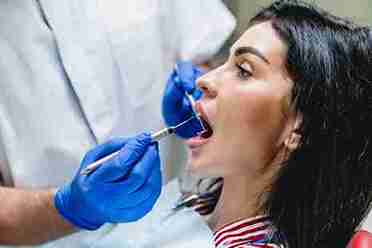
Dental crowns are one of the most versatile and widely used treatments in modern dentistry. They not only restore the function of damaged teeth but also improve aesthetics, helping patients regain confidence in their smiles. Despite their popularity, many people are unsure about how dental crowns work, what types are available, and how to care for them properly. In this article, we explore seven essential facts every patient should know about dental crowns. From understanding their purpose and benefits to learning how to maintain them, these insights will help you make informed decisions about your dental care.
1. What Are Dental Crowns?
A dental crown is a protective covering placed over a weakened or damaged tooth. Its primary purpose is to restore the tooth’s shape, strength, and functionality while protecting it from further damage. Crowns are commonly recommended in situations such as:
- Teeth with extensive decay
- Following root canal treatment
- Cracked or chipped teeth
- Cosmetic enhancement for discoloured or misshapen teeth
Crowns are custom made to blend seamlessly with your natural teeth, ensuring both a functional and aesthetic outcome. By restoring strength and appearance, crowns allow patients to eat, speak, and smile with confidence.
2. Types of Dental Crowns
Dental crowns are available in several materials, each with its own advantages depending on the patient’s needs, budget, and aesthetic preferences.
| Crown Type | Description | Pros | Cons |
| Porcelain/Ceramic | Tooth coloured crowns for natural appearance | Highly aesthetic, stain resistant | Less durable for back teeth |
| Metal | Gold, platinum, or alloy crowns | Extremely strong and long lasting | Less visually appealing |
| Porcelain Fused to Metal (PFM) | Combines metal strength with porcelain finish | Good balance of strength and appearance | Porcelain may chip over time |
| Zirconia | Advanced ceramic with high strength | Strong and natural looking | Can be abrasive to opposing teeth |
Selecting the right type of crown often depends on its location, functional requirements, and aesthetic goals. For residents seeking reliable options, tooth crown Leicester services offer customised solutions that balance durability with a natural look.

3. Benefits of Dental Crowns
Dental crowns offer numerous advantages that extend beyond cosmetic improvement:
- Protection: Crowns help protect weakened teeth from additional damage and decay.
- Restoration: They restore chewing and speaking functionality.
- Aesthetic Enhancement: Crowns improve the colour, shape, and alignment of teeth for a natural looking smile.
- Durability: With proper care, crowns can last 10–15 years or more.
- Confidence Boost: By restoring a complete smile, crowns improve self esteem and quality of life.
Crowns are an essential component of restorative dentistry, offering a blend of functional support and cosmetic appeal that ensures long term oral health.
4. The Crown Placement Procedure
Understanding the procedure helps patients feel more comfortable and prepared for treatment. Typically, crown placement involves the following steps:
- Tooth Preparation: The dentist removes a small portion of the tooth to make room for the crown.
- Impression Taking: An impression of the prepared tooth is taken to ensure the crown fits perfectly.
- Temporary Crown: A provisional crown is fitted to protect the tooth while the permanent crown is being made.
- Permanent Crown Placement: Once ready, the permanent crown is cemented in place, restoring both function and aesthetics.
Professional expertise is crucial during this process to ensure the crown fits properly, functions correctly, and blends seamlessly with surrounding teeth.
5. Caring for Your Dental Crowns
Even the strongest crowns require proper care to maximise their lifespan. Here are expert tips for maintaining your crowns:
- Maintain Good Oral Hygiene: Brush twice daily and floss carefully around the crowned tooth.
- Avoid Hard or Sticky Foods: Ice, hard sweets, and chewy candies can damage crowns.
- Wear a Nightguard if Necessary: Patients who grind their teeth at night should use a custom fitted nightguard.
- Regular Dental Check Ups: Professional cleaning and examination help detect any potential issues early.
- Avoid Using Teeth as Tools: Do not bite pens, open packages, or chew non-food items.
Quick Crown Care Tips
| Do | Don’t |
| Brush gently twice a day | Bite hard objects like ice or pens |
| Floss daily around crowns | Ignore signs of discomfort or loosening |
| Visit your dentist regularly | Chew sticky or hard candies excessively |
| Use fluoride toothpaste | Skip routine check ups |
Consistent care ensures crowns maintain their function, appearance, and durability over the long term.
6. Common Issues with Dental Crowns
While dental crowns are durable, patients may encounter occasional issues. Being aware of these problems can prevent complications:
- Sensitivity: Mild sensitivity to hot or cold is common after placement but usually resolves.
- Chipping or Cracking: Porcelain crowns may chip if exposed to excessive pressure.
- Loose Crowns: Crowns can become loose if the cement weakens or underlying tooth decay develops.
- Discolouration: While crowns are resistant to staining, surrounding natural teeth may change colour, affecting aesthetics.
Promptly consulting a dentist at the first sign of any problem ensures minor issues do not become major repairs.

7. Considerations Before Getting a Crown
Before undergoing treatment, patients should discuss several factors with their dentist:
- Cost and Insurance Coverage: Understand your financial options and whether insurance will cover the procedure.
- Material Choice: Decide on the crown material based on durability, aesthetics, and location in the mouth.
- Oral Health Status: Ensure teeth and gums are healthy before crown placement.
- Aesthetic Expectations: Discuss the colour, shape, and appearance to match surrounding teeth.
- Complementary Treatments: Some patients may require additional procedures, such as a dental implant Leicester, to support overall oral health alongside a crown.
Being informed before treatment allows patients to make decisions that balance function, aesthetics, and long term oral health.
Conclusion
Dental crowns are a versatile and effective solution for restoring, protecting, and enhancing teeth. Understanding their purpose, types, benefits, and care requirements helps patients make informed choices and ensures the longevity of their investment. Proper care, professional guidance, and timely attention to any issues are key to maintaining crowns that function well and look natural. For expert cosmetic and restorative dental care in Leicester, Smilo Dental Implant Leicester offers personalised solutions, including Dental Implant and Tooth Crown services, helping patients achieve a healthy, functional, and beautiful smile that lasts for years.







Leave a Reply