
Introduction
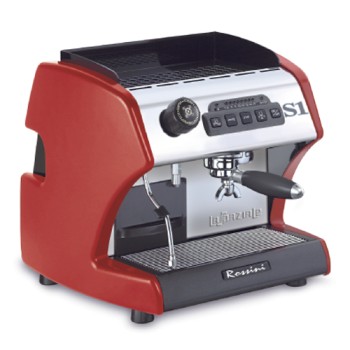
A well-crafted espresso is the result of precision, consistency, and proper care of equipment. Whether used at home or in a professional setting, an espresso coffee machine is a long-term investment that requires regular maintenance to perform at its best. Without proper upkeep, even high-quality machines can suffer from reduced efficiency, inconsistent flavor, and costly breakdowns. Understanding how to maintain your machine correctly not only extends its lifespan but also ensures every cup delivers the rich taste and aroma espresso lovers expect.
Understanding the Importance of Regular Maintenance
Maintenance is not just about cleanliness; it is about protecting the internal components that make espresso brewing possible. Water, heat, and pressure work together inside the machine, and over time, residue from coffee oils and minerals can build up. If ignored, these deposits can block water flow, damage seals, and affect temperature stability. Regular care prevents these issues, ensuring smooth operation and consistent extraction.
Daily Cleaning Practices
Daily cleaning is the foundation of long-term machine health. After each use, wipe down external surfaces to remove coffee splashes and moisture. This prevents stains and keeps the machine looking professional and hygienic.
The brewing group should be flushed with clean water at the end of the day. Running water through the system clears out leftover coffee grounds and oils that could harden overnight. Steam wands also need immediate attention; purge them after each use and wipe them with a damp cloth to prevent milk residue from clogging the nozzle.
These small daily habits take only a few minutes but significantly reduce wear and tear over time.
Weekly and Monthly Deep Cleaning
Beyond daily routines, deeper cleaning on a weekly or monthly basis is essential. Back flushing the machine with a suitable cleaning solution helps remove stubborn coffee oils from internal pathways. This process maintains proper water flow and preserves flavor quality.
Removable parts such as portafilters, baskets, and drip trays should be soaked in warm water and cleaned thoroughly. Over time, these components can accumulate oils that affect taste and hygiene. Regular deep cleaning keeps these parts functioning efficiently and prevents unpleasant odors.
Managing Water Quality
Water quality plays a critical role in machine performance. Hard water contains minerals that can form scale inside the boiler and pipes, reducing heating efficiency and increasing energy consumption. Using filtered or softened water minimizes scale buildup and protects internal components.
Descaling should be done at intervals based on water hardness and usage frequency. This process removes mineral deposits and restores optimal heat transfer. Following recommended descaling schedules helps avoid long-term damage and costly repairs.
Monitoring Pressure and Temperature
Consistent pressure and temperature are essential for proper espresso extraction. Over time, components such as seals and valves may wear out, causing fluctuations. Regularly checking these settings helps identify issues early.
If you notice changes in brewing pressure, unusual noises, or inconsistent shot quality, it may indicate the need for professional servicing. Addressing small problems promptly prevents them from escalating into major mechanical failures.
Caring for Seals and Gaskets
Rubber seals and gaskets ensure airtight connections within the machine. With repeated exposure to heat and pressure, these parts can dry out or crack. Inspect them regularly for signs of wear and replace them as needed.
Keeping seals clean and lightly lubricated, when appropriate, helps maintain proper pressure and prevents leaks. This simple step extends the life of critical components and ensures reliable performance.
Proper Storage and Usage Habits
How you use and store your machine also affects its longevity. Avoid leaving the machine turned on unnecessarily, as prolonged heat can stress internal parts. Allow the machine to warm up fully before brewing, but turn it off when not in use for extended periods.
If the machine will not be used for a while, empty the water reservoir and clean all removable parts. Proper storage prevents mold growth and corrosion, ensuring the machine is ready when needed again.
Scheduling Professional Servicing
Even with diligent care, professional servicing is important for long-term reliability. Trained technicians can inspect internal components, calibrate settings, and replace worn parts before they fail. Annual servicing is often recommended, especially for machines used frequently.
Professional maintenance ensures that hidden issues are addressed and that the machine continues to operate safely and efficiently over many years.
Final Thought: Protecting Performance Through Consistent Care
Maintaining an espresso machine is a balance of daily habits, periodic deep cleaning, and professional attention. Each step contributes to preserving flavor quality, mechanical reliability, and overall performance. By managing water quality, monitoring key components, and adopting mindful usage practices, users can enjoy consistent results and avoid unnecessary repairs. Just as careful maintenance supports the machine itself, pairing it with a well-maintained espresso grinder completes the foundation for long-lasting, high-quality espresso enjoyment.






Leave a Reply