

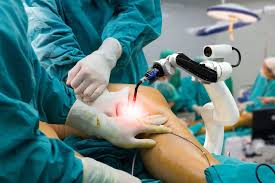
Knee pain can affect daily movement and comfort, often from ageing, injury, or arthritis. Stiffness may make walking, climbing stairs, and standing difficult. When other treatments fail, surgery may be advised. Robotic knee replacement supports precise implant placement and lets surgeons plan each step.
Preparation is key to recovery. It improves mobility, reduces risk, and supports healing. People who prepare for a robotic knee replacement often recover more smoothly. Knowing what to expect lowers anxiety, and being organised boosts confidence. Each step before surgery makes a difference.
What Robotic Knee Replacement Involves?
Robotic-assisted knee replacement uses advanced technology to guide surgical instruments. It supports precise implant alignment. The system creates a detailed view of the knee joint. This allows careful planning before any incision. The aim of using robots is to reduce tissue damage. It may also support better movement after healing. This method does not replace the surgeon. It assists them with the knee replacement process.
Patient preparation is an essential part of the transplant journey. Even advanced techniques rely on a body and mind that are ready for the procedure. When patients are in good health, the chances of a steady and successful outcome improve. The process itself isn’t complicated, but it does require consistency and care, starting a few weeks before the planned transplant date.
Medical Preparation Before Surgery
This stage focuses on building safety and readiness for the procedure. It helps the team understand the patient’s health and identify risks early.
- Blood tests and imaging: These help assess joint condition and overall health before surgery.
- Medication review: Doctors check all ongoing medicines to prevent interactions, and some may be paused temporarily.
- Management of existing conditions: Conditions such as diabetes or hypertension need to be well-controlled to reduce the risk of complications or infections.
- Recommended vaccinations: Certain vaccines may be advised to protect the patient during recovery.
- Planning based on results: Clear medical findings enable the team to design care tailored to the patient’s needs before admission.
These steps together create a strong and safe foundation for surgery, making the procedure and recovery more predictable.
Physical Preparation and Conditioning
Strength and balance affect recovery speed. Simple training supports joint stability.
- Light exercises strengthen the thigh and calf muscles, which helps reduce post-surgery strain.
- Gentle stretching improves flexibility and circulation and also reduces stiffness.
- Balanced meals support muscle repair and immunity, because protein and fibre are essential for recovery.
- Smoking and alcohol should be stopped or reduced, as these slow down the healing process.
These actions enhance the patient’s physical readiness. They also strengthen confidence before surgery. A conditioned body heals more efficiently.
Home and Lifestyle Preparation
Preparing your home in advance helps create a safe and comfortable recovery environment. Planning also reduces unnecessary stress after surgery.
- Clear walking paths: Ensure hallways and rooms are free of loose rugs, cords, and clutter to reduce the risk of tripping.
- Keep essentials within reach: Arrange frequently used items at a height that avoids bending or stretching.
- Plan meals: Prepare and store meals in advance, or arrange help with cooking to maintain proper nutrition during recovery.
- Arrange daily support: Friends or family may need to assist with routine tasks, especially during the first few days.
These preparation helps ensure a smoother recovery and offer reassurance before the surgery date.
Preparing for Orthopaedic Surgery
Preparation principles for surgery often apply across different orthopaedic procedures. Whether planning a robotic knee replacement or hand surgery in Adelaide, structured preparation helps the body and mind recover effectively. Key preparation steps include:
- Strength and mobility exercises: Gentle exercises improve circulation, flexibility, and muscle control for smoother recovery.
- Lifestyle adjustments: Balanced nutrition, hydration, and reduced alcohol or smoking enhance healing and immunity.
- Safe recovery environment: Clear walking spaces, proper lighting, and organised essentials reduce injury risk at home.
- Infection prevention: Cleanliness and hygiene prevent complications and support the healing of surgical sites.
- Mental readiness: Staying informed, calm, and focused improves cooperation with medical teams and reduces anxiety.
- Consistency in preparation: Following routines and healthcare professionals’ advice prepares the body for limited mobility after surgery.
Implementing these steps ensures that patients, whether undergoing knee surgery or hand surgery in Adelaide, enter the operating room in good condition. Preparation strengthens recovery, reduces complications, and supports long-term surgical success.
Conclusion
Preparation plays an important role in shaping the recovery process, supporting both physical comfort and emotional confidence. Each step taken before surgery contributes to smoother healing and greater stability afterward. Patients who feel prepared often move more comfortably, manage stress better, and experience fewer uncertainties during the process. Staying organised and focused can make a difference.







Leave a Reply