
Picture this: You’re at a networking event, juggling a drink, your phone, and a handful of paper business cards that will probably end up crumpled in your pocket. Now imagine simply tapping your phone against someone’s device and instantly sharing all your contact information, social media profiles, and portfolio links in one smooth motion. Welcome to the future of professional networking with NFC business cards.
The way we connect professionally has evolved dramatically. While paper business cards have served us well for centuries, they’re rapidly becoming relics of the past. NFC business cards represent a revolutionary shift in how professionals exchange information, combining cutting-edge technology with the timeless need for human connection.
What Are NFC Business Cards?
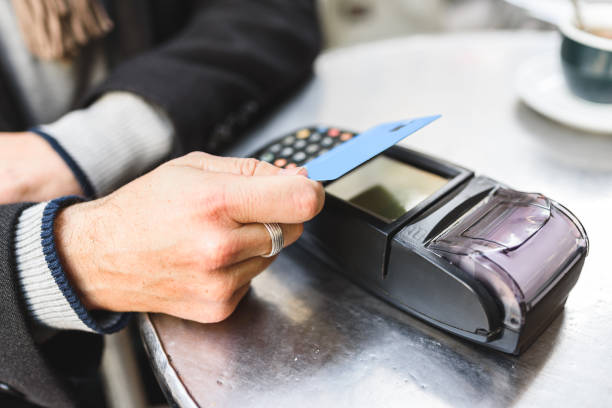
NFC business cards are smart digital networking tools using Near Field Communication technology to share professional information wirelessly. Think of them as traditional business cards on steroids, powered by the same technology that enables contactless payments or transit card taps.
These cards contain a tiny NFC chip that communicates with NFC-enabled smartphones when brought within close proximity—usually within four inches. The moment someone taps their phone against your card, they’re instantly directed to your digital profile with all your contact details, website, social media links, and any other information you choose to share.
How NFC Technology Works in Business Cards
Near Field Communication operates on radio frequency identification principles, creating wireless connections between devices over short distances. When your NFC card comes near an NFC-enabled smartphone, the chip activates and transmits data instantly.
The beauty lies in its passive nature. Unlike Bluetooth or WiFi requiring pairing, NFC creates instant connections with just a tap. The chip doesn’t need a battery—it draws power from the smartphone’s electromagnetic field, meaning your card works indefinitely without charging or maintenance.
Most modern smartphones support NFC, including iPhones from the XS model onward and most Android devices from 2015 onward. This widespread compatibility means you can network with virtually anyone.
Types of NFC Business Cards Available
The market offers several varieties to suit different preferences and budgets. Standard NFC cards look like traditional business cards with chips invisibly embedded inside. They feature your name, title, and logo printed on quality cardstock, appearing indistinguishable from regular cards at first glance.
Metal NFC cards have gained popularity among executives seeking to make lasting impressions. Crafted from stainless steel or aluminum, these premium cards exude sophistication and can last 5-10 years or more.
Wooden NFC cards appeal to environmentally conscious professionals and creative industries. Made from sustainable bamboo or other woods, they offer unique tactile experiences. Digital-only solutions include smartphone cases with embedded chips, wearable NFC devices like rings, and NFC stickers attachable to phones.
Benefits of Using NFC Business Cards
The advantages extend beyond appearing tech-savvy. They dramatically streamline networking—recipients get your details instantly and accurately with a single tap instead of manually typing information prone to errors.
NFC cards are environmentally friendly, reducing paper waste significantly. One card can last years and replace thousands of paper cards. They offer unprecedented flexibility too—your digital profile can include multiple contacts, portfolio links, videos, calendar booking, and all social media. Update this information anytime without reprinting.
The professional impression shouldn’t be underestimated. NFC cards signal you’re forward-thinking and tech-savvy, serving as conversation starters that differentiate you immediately.
Setting Up Your NFC Business Card
Getting started is straightforward. Most providers offer online platforms where you create your digital profile. Begin by entering basic contact information—name, job title, company, phone, and email.
Next, add links to your digital presence: LinkedIn, website, portfolio, or relevant social media. Many platforms let you upload photos, videos, or documents like brochures. Some services embed calendar tools so contacts can immediately book meetings.
Customization options vary by provider, with templates you can personalize using brand colors, logos, and backgrounds. Once complete, you’ll receive your physical NFC card pre-programmed and ready to use immediately—no technical setup required.
Best Practices for NFC Business Card Networking
Maximizing effectiveness requires strategic thinking. Always establish rapport before offering your card—the technology should enhance human connection, not replace it. A simple “Let me share my contact info with you” followed by the tap creates a memorable moment.
Demonstrate how it works for those unfamiliar with the technology. A quick “Just tap your phone right here” with a smile goes a long way and often becomes a talking point. Keep your digital profile updated regularly—unlike static paper cards, your NFC card’s power lies in reflecting current information. Consider creating different profiles for different contexts if your service allows.
Comparing NFC Cards to QR Code Business Cards
While both offer digital networking solutions, they differ in user experience. QR codes require opening a camera app, framing correctly, and waiting for scanning. This involves several steps and doesn’t always work smoothly in low-light environments.
NFC business cards offer seamless tap-and-go functionality with no apps to open or positioning required. However, QR codes work with any smartphone camera, including older devices without NFC capability, and they’re less expensive to produce.
Many professionals use a hybrid approach, featuring both NFC chips and QR codes on their cards. This ensures compatibility with all devices while providing the premium NFC experience when possible.
Cost Considerations and ROI
Digital Business Cards represent a higher upfront investment than traditional paper cards. Basic NFC cards typically range from five to fifteen dollars, while premium metal or wooden cards cost twenty-five to fifty dollars or more. However, this needs context.
Traditional business cards might seem cheaper initially, but consider how often information changes requiring expensive reprints, and how many get lost or outdated. The lifetime cost of constantly updating paper cards often exceeds the one-time NFC investment.
The return on investment extends beyond direct costs. Time saved in networking, increased likelihood contacts will save your information, and the professional impression you create all contribute significant value. For businesses equipping teams, bulk pricing brings costs down considerably.
Privacy and Security Considerations
NFC business cards only transmit information you explicitly include in your profile. They cannot access other data on someone’s phone or transmit anything you haven’t programmed. The short communication range—typically under four inches—provides inherent security against unauthorized scanning from across the room.
Most reputable providers employ encryption and secure servers to protect your profile data. You maintain control by updating or deleting your profile anytime. If you lose your card, you can deactivate it through your provider’s platform, rendering it useless while ordering a replacement.
Industries Benefiting Most from NFC Business Cards
While NFC business cards work for any professional, certain industries find them particularly valuable. Real estate agents benefit from instantly sharing property listings, virtual tours, and testimonials alongside contact information. The technology helps them stand out in a competitive field.
Technology professionals naturally gravitate toward NFC cards as they align with innovative industry images. Creative professionals use them to seamlessly share portfolios, providing instant access to their best work. Sales professionals appreciate streamlined lead capture, allowing more time for actual relationship building. Healthcare professionals in private practice find them useful for sharing office locations, booking systems, and patient resources.
The Environmental Impact of Going Digital
The environmental benefits of NFC business cards are significant. Americans print approximately ten billion business cards annually, with 88% ending up in the trash within a week. This represents enormous paper waste, plus environmental costs from ink, transportation, and disposal.
A single NFC business card can replace thousands of paper cards over its lifetime, potentially saving several trees worth of paper per professional. The durability means no constant replacement like paper cards that bend, tear, or become outdated. For companies committed to sustainability, equipping teams with NFC cards represents a tangible step toward reducing environmental impact.
Future Trends in Digital Networking
The evolution of NFC business cards continues as technology advances. Integration with augmented reality is emerging, where tapping an NFC card launches immersive 3D presentations or virtual showrooms. Artificial intelligence is being incorporated too, with platforms offering AI-powered follow-up suggestions and relationship management tools. These innovations make networking smarter and more personalized than ever before.
Making the Transition from Traditional Cards
If you’re considering switching to NFC business cards, a gradual approach works best. Many professionals carry both traditional and NFC cards initially, using paper cards with less tech-savvy contacts and NFC cards with those comfortable with technology.
Start by ordering a small batch to test in real networking situations. This lets you refine your digital profile and presentation technique before fully committing. Prepare a brief explanation: “It’s like a digital business card—just tap your phone here” works perfectly.
Keep a few traditional cards as backup for situations where technology might not work as expected. This shows awareness of your audience’s needs and prevents awkward moments.
Choosing the Right NFC Business Card Provider
Selecting an NFC business card provider requires consideration of several factors. Look for intuitive profile management platforms with features you need—analytics on card taps, custom branding options, or CRM integration. Request samples before ordering in bulk to check card quality, printing, and chip responsiveness.
Consider the provider’s longevity and customer support. Your card links to their platform, so reliability matters. Check their card replacement services and pricing for updates. Customization options vary widely, so match the provider’s capabilities to your budget and needs.
Conclusion
NFC business cards represent more than a technological upgrade—they symbolize the evolution of professional networking. In a world where digital and physical experiences increasingly merge, these smart cards bridge the gap beautifully, making connections faster, more memorable, and more meaningful.
The benefits extend beyond individual convenience to broader impacts on sustainability, efficiency, and professional image. As NFC technology becomes more ubiquitous and cards evolve with new features, early adopters position themselves at networking’s forefront.
Making the switch isn’t about abandoning tradition—it’s about embracing tools that enhance our ability to connect. The fundamental goal remains unchanged: creating meaningful professional relationships. NFC business cards simply make achieving that goal easier and more aligned with how we live and work today.
Whether you’re a seasoned executive, emerging entrepreneur, or creative professional, NFC business cards offer a compelling solution. The technology is mature, costs are reasonable, and benefits are clear. The question isn’t whether digital networking will become standard—it’s whether you’ll lead the change or follow later.
Frequently Asked Questions
Do NFC business cards work with all smartphones?
Most modern smartphones support NFC technology. iPhones from the XS model onward (2018) and most Android phones from 2015 onward have built-in NFC readers—covering roughly 80-85% of smartphones in use. For older devices, many cards include QR codes as backup, ensuring you can still share information with anyone.
How long do NFC business cards last?
A quality NFC business card can last for years with proper care. The NFC chip has no moving parts and doesn’t require power, so it doesn’t wear out. Physical card durability depends on material—plastic cards typically last 2-3 years with regular use, while metal cards can last 5-10 years or more. Since you can update your digital profile anytime, the card remains functional even as your information changes.
Can I update the information on my NFC business card?
Yes, this is one of the biggest advantages. Through your provider’s online platform or app, you can modify contact details, add social media profiles, update photos, change job titles, or redesign your landing page anytime. Changes take effect immediately, and anyone tapping your card sees updated information.
Are NFC business cards secure?
NFC business cards are generally very secure. They only transmit information you’ve chosen to include and cannot access phone data. The short communication range (under four inches) prevents unauthorized scanning from a distance. Your profile is hosted on secure encrypted servers. If lost or stolen, deactivate your card through your provider’s platform, preventing misuse while getting a replacement.
How much does an NFC business card cost?
Basic NFC cards typically cost $5-15 per card, with lower prices for bulk orders. Premium options like metal or wooden cards range from $25-50 or more. While more expensive upfront than paper cards, one NFC card can last years and replace thousands of paper cards. Many providers charge small annual fees ($5-20) for hosting your digital profile and analytics.
What happens when someone taps my NFC business card?
When someone taps their NFC-enabled phone against your card, it immediately directs them to your digital profile, opening in their browser. No app download required. They’ll see your custom landing page with all included information—contact details, social media, portfolio, videos, or documents. Most phones then prompt them to save your contact with one additional tap.
Can I have multiple NFC business cards with different information?
Yes, you can create multiple cards with different profiles for various purposes. Some providers also offer cards storing multiple profiles, letting you switch which activates with a tap. This flexibility helps tailor your networking to different situations and audiences.
Do NFC business cards require internet connection to work?
The NFC chip itself doesn’t require internet to transmit your profile link. However, the recipient’s phone needs internet to load your actual profile page after tapping. This is similar to scanning a QR code. Most networking situations occur in locations with WiFi or cellular data, making this rarely an issue.







Leave a Reply