

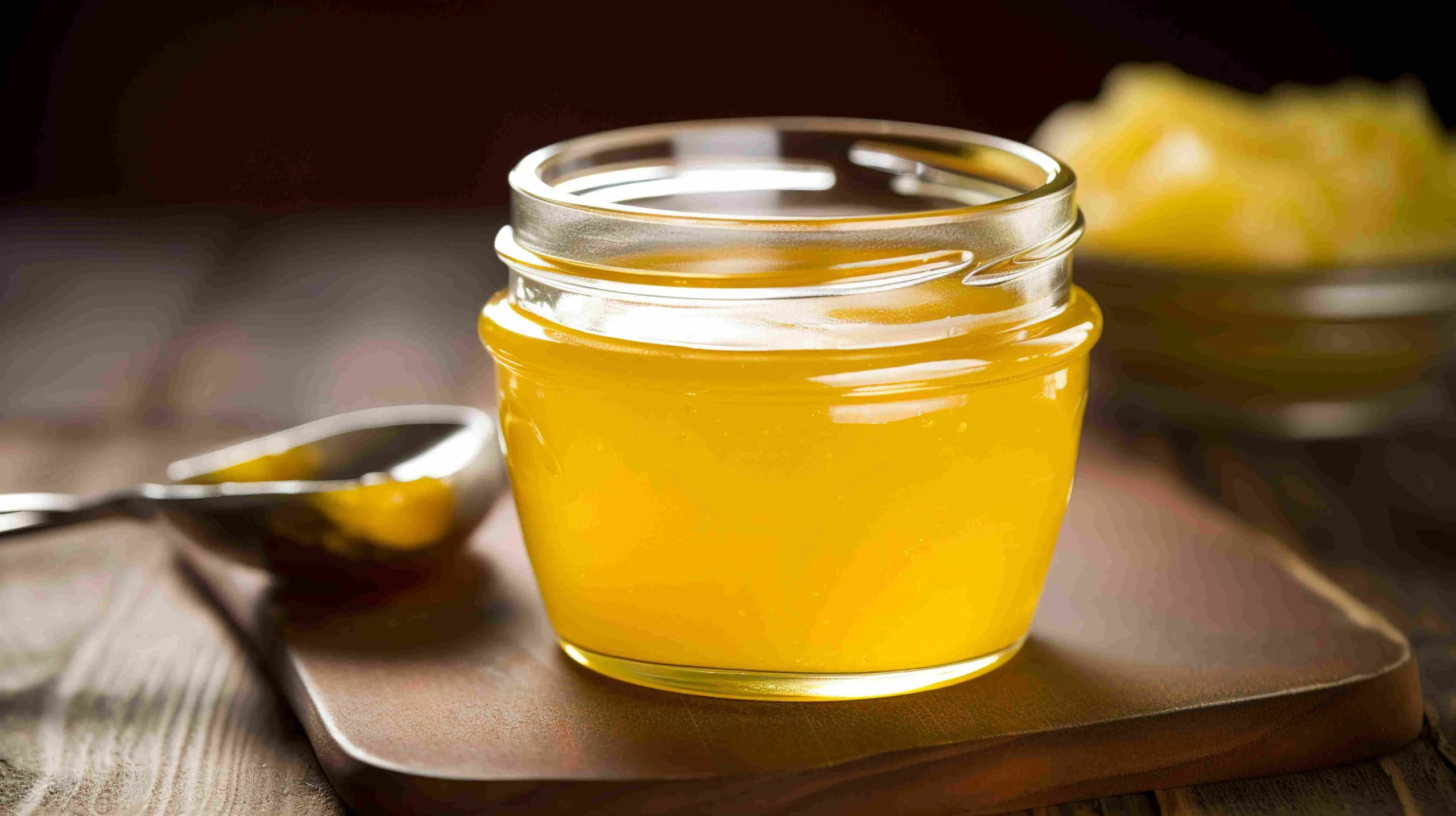
Pure cow ghee has been part of South Asian kitchens for centuries, valued for rich aroma, deep flavor, and traditional wellness benefits. In Pakistan, desi ghee made from cow’s milk holds a special place in everyday cooking as well as festive meals. From village households to modern urban kitchens, demand for authentic and chemical-free ghee continues to grow. This blog explores benefits, uses, quality factors, and buying tips related to pure cow ghee with a focus on Pakistani consumers.
Cultural Importance of Desi Ghee in Pakistan
Desi ghee represents more than a cooking fat in Pakistani culture. Family recipes, traditional sweets, and hearty desi dishes rely on ghee for authentic taste. Rural areas often produce homemade ghee using age-old methods, while cities now seek trusted brands that match traditional quality.
Pure cow ghee is commonly used in:
-
Desi nashta such as parathas and halwa
-
Rice dishes like pulao and biryani
-
Sweets including laddoos, barfi, and halwa
-
Ayurvedic and Unani home remedies
Cultural trust associated with ghee comes from generations who believed good health starts with natural food.
What Makes Pure Cow Ghee Different
Quality ghee depends heavily on source, process, and purity. Cow ghee differs from buffalo ghee in color, texture, and nutritional profile.
Milk Source and Breed
Cow milk contains beta-carotene, giving ghee a golden yellow color. Local Pakistani cow breeds, when grass-fed, produce milk rich in natural nutrients.
Traditional Bilona Method
Bilona method involves churning curd made from cow milk, then slowly heating butter to extract ghee. This traditional approach preserves aroma and nutritional value, making pure cow ghee superior to industrially processed alternatives.
No Chemicals or Preservatives
Authentic ghee contains no additives, artificial flavoring, or vegetable oils. Purity ensures better digestion and longer shelf life without refrigeration.
Health Benefits of Pure Cow Ghee
Balanced use of pure cow ghee offers several wellness advantages, especially when combined with traditional Pakistani diets.
Supports Digestion
Ghee stimulates digestive enzymes and improves nutrient absorption. Many Pakistani households add a small amount of ghee to daal or roti to enhance digestion.
Boosts Immunity
Fat-soluble vitamins A, D, E, and K found in cow ghee strengthen immune response. Seasonal illnesses may reduce with regular moderate intake.
Heart Health in Moderation
Contrary to myths, natural saturated fats in ghee can support healthy cholesterol levels when consumed sensibly. Omega-3 and conjugated linoleic acid (CLA) present in cow ghee contribute to overall heart wellness.
Energy and Brain Function
Healthy fats act as a slow-burning energy source. Students and working professionals in Pakistan often benefit from improved focus and stamina when ghee replaces refined oils.
Role of Pure Cow Ghee in Pakistani Cooking
Pakistani cuisine relies on deep flavors that only traditional fats can deliver. Vegetable oils fail to provide the same aroma or mouthfeel.
Cooking and Frying
High smoke point makes ghee suitable for frying without breaking down into harmful compounds. Samosas, pakoras, and pooris cooked in ghee carry authentic taste.
Baking and Sweets
Desi mithai prepared with cow ghee has longer shelf life and richer flavor. Bakers increasingly use ghee in cakes and biscuits for premium texture.
Daily Meals
Simple meals like khichdi, chawal, or sabzi become more satisfying with a spoon of ghee added before serving.
How to Identify Authentic Pure Cow Ghee
Pakistani markets offer many options, making identification of real ghee essential.
Color and Aroma
Natural cow ghee appears golden yellow with a pleasant, nutty aroma. Artificial products often look pale or overly bright.
Texture Test
At room temperature, pure cow ghee stays grainy and semi-solid. Completely liquid texture may indicate mixing with oils.
Label and Source Check
Trusted brands mention cow milk source, production method, and absence of additives. Local farms and small batch producers often deliver better authenticity.
Storage and Shelf Life
Proper storage maintains quality for months.
-
Store in airtight glass or steel containers
-
Keep away from moisture
-
Avoid plastic for long-term storage
Pure cow ghee remains stable at room temperature in Pakistan’s climate if handled hygienically.
Growing Demand for Pure Cow Ghee in Pakistan
Health awareness and return to traditional foods have increased demand for authentic ghee. Urban consumers now prefer natural fats over refined oils. Online stores, organic shops, and farm-direct suppliers cater to this rising interest.
Export quality Pakistani ghee also attracts overseas buyers who miss traditional taste. This trend encourages local farmers and small businesses to focus on purity and ethical sourcing.
Tips for Buying Pure Cow Ghee Online
Smart purchasing ensures value for money.
-
Choose brands with transparent sourcing
-
Read customer reviews from Pakistani buyers
-
Avoid extremely low prices
-
Look for lab testing or quality certifications
Consistent quality matters more than packaging or marketing claims.
Conclusion
Pure cow ghee stands as a symbol of tradition, nutrition, and authentic flavor in Pakistani households. Balanced consumption supports health while enhancing everyday meals. Choosing genuine, traditionally made ghee ensures benefits passed down through generations. As awareness grows, pure cow ghee continues to reclaim its rightful place in modern Pakistani kitchens, connecting heritage with healthy living.






Leave a Reply