

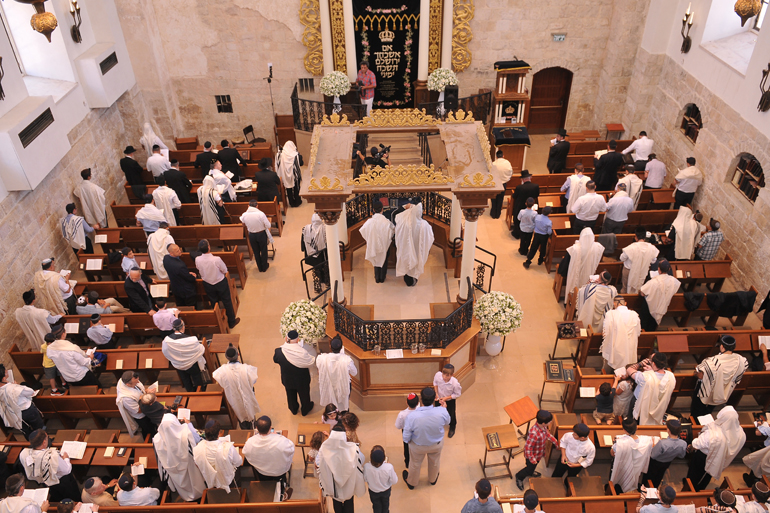
Shabbat Hatan, literally translated as “Groom’s Sabbath,” is a unique and joyous Jewish celebration that takes place on the Sabbath immediately preceding or following a Jewish wedding. Rooted in centuries of Jewish tradition, it is a day dedicated to honoring the groom (or sometimes the bride, in the case of Shabbat Kallah), filled with prayers, blessings, and festive gatherings. In Jerusalem, the spiritual and cultural heart of the Jewish people, Shabbat Hatan is celebrated with an added layer of reverence and vibrancy. The city’s synagogues, streets, and hotels host families and communities who come together to mark this significant milestone.
This article provides an in-depth look at Shabbat Hatan in Jerusalem, exploring its historical roots, rituals, significance, and contemporary practices. It also includes guidance for travelers wishing to experience this celebration firsthand, with a spotlight on Paamonim Hotel, an ideal accommodation choice for families attending weddings or related festivities.
Historical Significance of Shabbat Hatan
Shabbat Hatan has deep roots in Jewish history. The celebration emphasizes the sanctity of marriage and the spiritual elevation associated with the upcoming union. Traditionally, it is a prelude to the wedding ceremony, allowing the groom to engage in spiritual reflection, communal prayers, and blessings before his marriage.
Historically, Jewish communities in Jerusalem and other centers of learning developed special liturgical practices for Shabbat Hatan, which often include:
- Special Torah Readings: Sections chosen to highlight themes of love, family, and covenant.
- Blessings for the Groom: Prayers for happiness, fertility, and success in married life.
- Communal Participation: Families and friends gather to celebrate with songs, dancing, and meals.
The tradition symbolizes the integration of personal milestones with communal and spiritual life, reinforcing the connection between family, faith, and society.
Rituals and Observances of Shabbat Hatan
Shabbat Hatan combines the usual Sabbath observances with additional customs that honor the groom and the upcoming wedding. Key practices include:
1. Special Synagogue Services
- Groom’s Aliyah: The groom is called to the Torah for a special reading or honor during the service.
- Hatan Blessings: Rabbis and family members offer prayers for the groom’s spiritual and personal well-being.
- Sabbath Prayers: Standard Shabbat prayers are recited, sometimes with added melodies and festive tunes to mark the occasion.
2. Festive Meals
- Seudat Shabbat: The traditional Sabbath meals are enhanced with singing, toasts, and symbolic dishes.
- Community Involvement: Friends and relatives contribute to the joyous atmosphere by sharing food, stories, and blessings.
3. Music and Celebration
- Traditional klezmer music or contemporary Jewish melodies often accompany the celebration.
- Dancing may occur, either in private homes, synagogue courtyards, or communal halls, reflecting the joy of the occasion.
4. Inclusion of Guests
- While Shabbat Hatan centers on the groom, it often involves the bride’s family, close relatives, and friends.
- Children and extended family members participate in blessings, songs, and ceremonial customs.
Shabbat Hatan in Jerusalem: A Unique Experience
Jerusalem offers a unique backdrop for Shabbat Hatan due to its combination of spiritual significance and vibrant Jewish culture. Celebrating the groom’s Sabbath in the city provides several special aspects:
- Proximity to Holy Sites: Synagogues near the Western Wall, the Old City, or Mount of Olives allow for a spiritually enriched celebration.
- Historic Synagogues: Some families choose historic Ashkenazi, Sephardi, or Mizrahi synagogues to honor longstanding traditions.
- Community Engagement: Jerusalem neighborhoods often support larger gatherings, with local communities participating in festive events.
- Cultural Enrichment: The city’s combination of history, music, and religious life adds depth and resonance to Shabbat Hatan celebrations.
Family and Community Participation
Shabbat Hatan is inherently communal. Families, friends, and local congregants come together to celebrate:
- Family Blessings: Parents and relatives offer prayers and guidance to the groom.
- Group Singing and Dancing: Expressing joy through music, dancing, and shared celebration.
- Educational Moments: Rabbis and mentors may provide teachings on marital ethics, responsibilities, and Jewish values.
These practices highlight the integration of personal celebration with the larger communal and spiritual framework of Jerusalem’s Jewish life.
Preparing for Shabbat Hatan
Preparation is essential to ensure a meaningful and joyous Shabbat Hatan:
- Coordination with the Synagogue: Confirming Torah readings, aliyot, and ceremonial details.
- Invitations: Inviting family, friends, and community members to participate.
- Meal Planning: Organizing festive meals, ensuring kosher dietary observance, and including symbolic foods.
- Music and Entertainment: Arranging appropriate musical accompaniment for songs and dancing.
- Spiritual Preparation: Groom and family engage in prayer, study, and reflection to honor the significance of the occasion.
Modern Practices and Adaptations
While rooted in tradition, modern Shabbat Hatan celebrations often adapt to contemporary lifestyles:
- Hotels and Banquet Halls: Many families host celebrations in Jerusalem hotels for convenience and comfort.
- Cultural Fusions: Music, cuisine, and dress may blend traditional and modern elements.
- Guest Accommodations: Out-of-town relatives can stay nearby to participate fully in events.
- Photography and Documentation: Families document celebrations while maintaining respect for Sabbath observance.
Despite modern adaptations, the core purpose—honoring the groom and preparing spiritually for marriage—remains central.
Paamonim Hotel – Ideal Accommodation for Shabbat Hatan Guests
Paamonim Hotel offers a prime location and exceptional services for families and guests attending Shabbat Hatan celebrations in Jerusalem. Centrally located near Jaffa Street and walking distance from the Old City, the hotel provides easy access to synagogues, banquet halls, and festive venues. Guests enjoy comfortable, elegantly furnished rooms, family-friendly accommodations, and kosher dining options. Paamonim Hotel’s attentive staff ensures that visitors can participate fully in Shabbat Hatan rituals while enjoying modern conveniences, making it an ideal choice for families traveling to Jerusalem for weddings or related celebrations.
Tips for Experiencing Shabbat Hatan in Jerusalem
- Plan Ahead: Reserve synagogue spaces, meals, and accommodations well in advance.
- Engage in Local Customs: Learn melodies, prayers, and traditional blessings specific to Jerusalem communities.
- Respect Shabbat Observance: Avoid electronic devices or activities prohibited on the Sabbath.
- Participate in Communal Celebrations: Join dancing, singing, and meals to share in the joy.
- Coordinate Logistics: Ensure transportation and accommodations align with Sabbath restrictions.
Combining Shabbat Hatan with a Wedding Celebration
Many families choose to combine Shabbat Hatan with pre-wedding or wedding festivities:
- Friday Evening and Saturday Meals: Extending the celebration into the Sabbath.
- Spiritual Reflection: Incorporating teachings on marriage, family, and Jewish values.
- Community Inclusion: Inviting neighbors and local community members to participate.
This combination strengthens communal bonds, enhances spiritual preparation, and creates a festive atmosphere leading up to the wedding.
Observing Shabbat Hatan Across Communities
Different Jewish communities in Jerusalem may emphasize various aspects of Shabbat Hatan:
- Ashkenazi Traditions: Focus on specific liturgical readings and melodies.
- Sephardi Customs: Include distinctive prayers, songs, and ritual nuances.
- Mizrahi Practices: Blend cultural heritage with spiritual observance.
Despite variations, all communities share the central goal of honoring the groom, preparing spiritually for marriage, and celebrating within a supportive community.
Cultural Significance of Shabbat Hatan in Jerusalem
Shabbat Hatan reflects broader cultural themes:
- Integration of Faith and Life: Connecting personal milestones with spiritual practice.
- Family and Community Cohesion: Strengthening bonds and passing on traditions.
- Celebration of Continuity: Affirming the value of Jewish heritage and communal support.
- Spiritual Preparation: Highlighting the sacredness of marriage in Jewish law and custom.
In Jerusalem, the holiday resonates deeply due to the city’s unique historical, spiritual, and cultural significance.
Conclusion
Shabbat Hatan in Jerusalem is a celebration that blends spiritual reflection, communal participation, and joyous festivity. It honors the groom, strengthens family and community bonds, and prepares couples for a lifetime of marriage within the framework of Jewish law and tradition. From synagogue services and festive meals to music, dancing, and blessings, every element of Shabbat Hatan contributes to a meaningful and memorable experience.
Paamonim Hotel provides an ideal home base for visitors attending Shabbat Hatan celebrations. Its central location, elegant accommodations, kosher dining, and attentive service make it a convenient and welcoming choice for families and guests traveling to Jerusalem. By staying at Paamonim Hotel, participants can fully immerse themselves in the traditions, rituals, and joyous spirit of Shabbat Hatan, creating lasting memories in the heart of the Holy City.







Leave a Reply